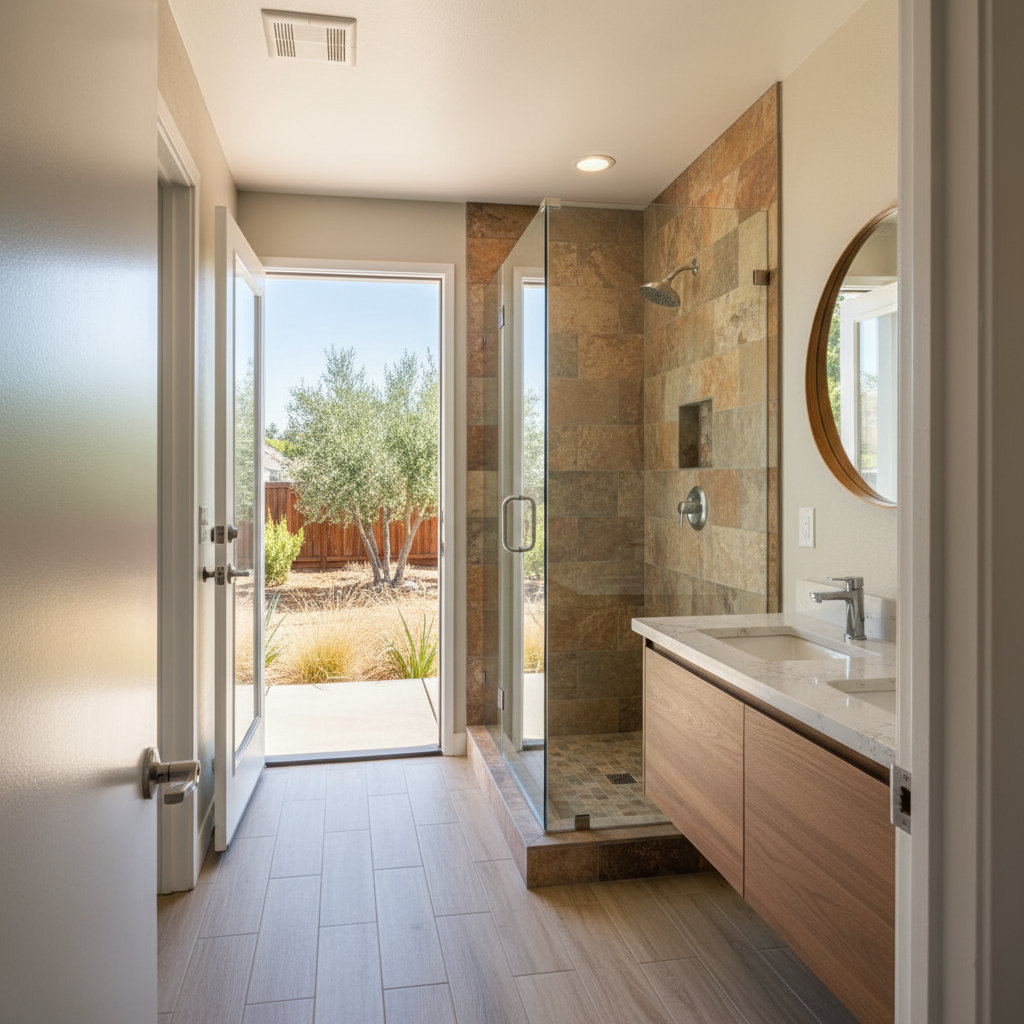
You want more space in your bathroom, right? Maybe you’re just tired of bumping elbows, or you’re dreaming of a bigger shower, a double vanity, or even a separate toilet room. Expanding a bathroom in Roseville is a pretty big project, and one of the first questions I always get asked is, “How much is this actually going to cost me?”
It’s a totally fair question. While every job is unique, I can give you a solid idea of what goes into the price tag and what you should expect. I’ve been doing this for years, and believe me, I’ve seen everything from small bumps-out to full-on additions.
What Makes a Bathroom Expansion Cost More (or Less)?
A few key things really drive the cost up or down when you're expanding a bathroom. It’s not just about the fancy tiles, though those definitely play a part.
- Structural Changes: This is probably the biggest one. Are we just pushing out into an unused closet? Or are we literally moving exterior walls? If we’re adding square footage to your house, that’s a whole different ballgame. It means foundation work, framing, roofing, and making sure the exterior finishes match your existing home. If you live in an older Roseville home, maybe in the Old Town area, we might even find some unexpected structural issues once we open up walls, and that can add to the complexity and cost.
- Plumbing Rerouting: If you’re moving a toilet, shower, or sink more than a few feet, we’re talking about significant plumbing work. Drains need to be sloped correctly, water lines extended, and vent pipes adjusted. This isn't just hooking up a new fixture; it often means tearing up floors and walls to get new pipes in place.
- Electrical Work: More space usually means more lighting, new outlets, maybe even a dedicated circuit for a jetted tub or an electric towel warmer. All this needs an electrician, and depending on your home's existing panel, it could even mean an upgrade there.
- Finishes and Fixtures: Here’s where your personal taste really kicks in. Custom cabinets, high-end stone countertops, designer tiles, a fancy walk-in shower system, or a freestanding tub all add up. You can spend a little or a lot here, and honestly, it’s often where people blow their budget if they’re not careful.
- Permits and Inspections: Any significant expansion, especially one involving structural changes or new square footage, will need permits from the City of Roseville. Don't even think about skipping this step. It protects you and makes sure the work is up to code. The cost of the permits themselves isn’t usually huge, but the time and inspections involved are definitely part of the project timeline.
Typical Costs for Roseville Bathroom Expansions
Okay, let’s talk numbers. Remember, these are broad ranges, and your specific project could be higher or lower depending on all those factors I just mentioned. These numbers are based on what I’ve seen right here in the Roseville area.
- Minor Expansion (e.g., taking space from an adjacent closet): If you’re just bumping into a closet or laundry nook without moving exterior walls, and maybe just shifting a toilet or sink a little, you’re probably looking at $20,000 to $40,000. This usually covers new flooring, paint, basic fixtures, and some plumbing/electrical adjustments.
- Moderate Expansion (e.g., pushing out a few feet into an existing room, significant layout changes): This involves more structural work, possibly moving an interior wall, and more extensive plumbing and electrical rerouting. You’re likely in the $40,000 to $75,000 range. This would get you a larger shower, double vanity, and better quality finishes.
- Major Expansion/Addition (e.g., adding new square footage to the house): This is basically building a small addition onto your home just for the bathroom. We’re talking new foundation, exterior walls, roofing, and all new plumbing/electrical. For this kind of project, expect to pay anywhere from $75,000 to well over $150,000, especially if you’re going for high-end finishes and custom features.
These figures include labor, materials, permits, and general contractor fees. Oh, and don't forget that if you're adding space, your property taxes might go up too.
What Your Quote Should Include
When you get a quote from Valley Bathroom & Kitchen or any other reputable contractor, make sure it’s detailed. A good quote isn't just a single number, is it? It should break down:
- Demolition and Debris Removal: What’s coming out and how it’s being disposed of.
- Structural Work: Details on framing, foundation, roofing, and exterior finishes if needed.
- Rough-in Plumbing: All the new pipes for water supply, drains, and vents.
- Rough-in Electrical: Wiring for new outlets, lights, and any dedicated circuits.
- Insulation and Drywall: Making sure your new space is properly insulated and finished.
- Flooring: Type of flooring and installation.
- Wall Finishes: Painting, tile work, etc.
- Fixtures: Specific models of toilet, sink, shower/tub, faucets.
- Cabinetry and Countertops: Details on materials and installation.
- Permit Fees: Often listed separately or included in a general project management fee.
- Project Management: The contractor’s fee for overseeing the entire job.
If a quote seems vague, ask questions. You really want to know exactly what you're paying for.
How to Avoid Overpaying for Your Bathroom Expansion
Nobody wants to feel like they got ripped off. Here’s how you can keep your costs in check without sacrificing quality:
- Be Clear on Your Vision: Before you even call a contractor, have a good idea of what you want. The more changes you make mid-project, the more expensive it gets.
- Prioritize: Decide what’s most important to you. Is it a huge shower or a double vanity? You might have to compromise on some things to stay within budget.
- Get Multiple Bids: Always get at least three detailed quotes. This helps you compare apples to apples and understand the market rate for the work. Just make sure you're comparing similar scopes of work.
- Consider Material Choices: High-end materials are beautiful, but there are often more affordable options that look just as good and are just as durable. For example, a good quality porcelain tile can mimic natural stone at a fraction of the cost.
- Be Realistic About DIY: Unless you’re a skilled tradesperson yourself, don’t try to tackle major structural, plumbing, or electrical work. You’ll end up spending more to fix mistakes than you would have hiring a pro in the first place.
- Ask About Value Engineering: A good contractor can often suggest ways to achieve a similar look or function for less money. We're not just builders; we're problem-solvers.
Expanding your bathroom is a fantastic way to add comfort and value to your Roseville home. Just go into it with your eyes open about the costs involved, and you’ll be much happier with the end result.